 by developer
Fireproofing’s Role in Industrial & Commercial Safety
(Blog summary: In South Africa’s high-risk industrial and commercial sectors, fireproofing is a vital safeguard rather than an optional upgrade. This blog explores how fireproof insulation and passive fire protection systems protect structures, extend evacuation time, and ensure compliance with national fire safety regulations. From intumescent coatings to spray-applied fire-resistant materials, effective industrial fireproofing helps facilities minimise risk, meet insurer requirements, and maintain operational continuity. With DRAM’s proven expertise and adherence to international standards, businesses can strengthen safety, reduce fire-related losses, and build long-term resilience.)
Introduction
For industrial and commercial facilities in South Africa, safety is more than a compliance requirement – it is a cornerstone of sustainable operations. With strict building regulations, rising insurance demands, and the ever-present risk of fire, the need for effective fireproofing solutions has never been greater.
By applying industrial fireproofing systems, businesses can safeguard lives, protect valuable assets, and ensure compliance with local and international safety standards.
Why Fireproofing is Essential for Facilities
Fire incidents can devastate operations in minutes, causing not only loss of property but also reputational damage and costly downtime. In South Africa, where industries such as mining, energy, and manufacturing operate under high-risk conditions, fireproofing plays a critical role in:
- Slowing down fire spread: Vermiculite and intumescent coatings increases the time available for safe evacuation and emergency response.
- Protecting structural integrity: Industrial fireproofing helps steel retain strength under extreme heat, preventing premature collapse.
- Meeting regulations: Fireproofing ensures compliance with the National Building Regulations and fire safety codes.
- Reducing insurance risks: Many insurers require proven fireproofing measures before offering cover.
Passive Fire Protection Solutions: A Key Defence
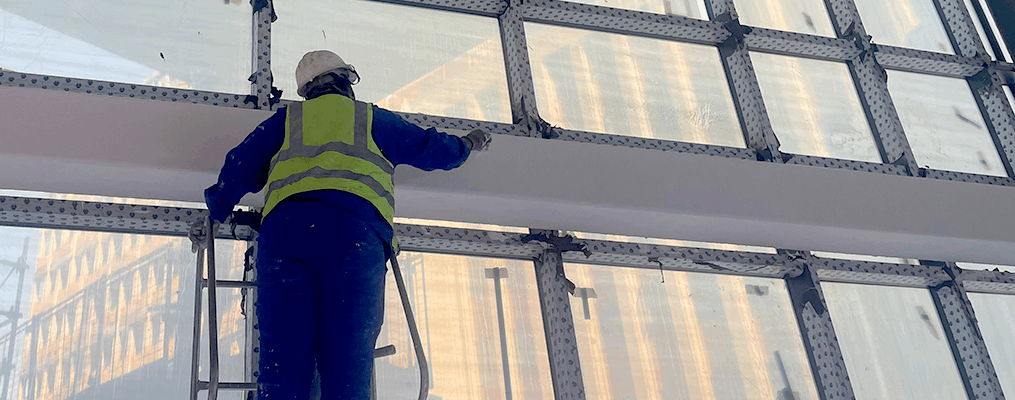
Passive fire protection solutions are one of the most effective ways to protect industrial and commercial structures. Applied to steel beams, walls, and ceilings, it creates a thermal barrier that can resist extreme heat for extended periods.
In practical terms, this can mean the difference between a contained incident and a catastrophic loss. For example, in a large warehouse or office block, passive fire protection solutions ensures that evacuation routes remain safe for longer, buying time for both employees and emergency responders.
Industrial Fireproofing in the South African Context
South Africa’s diverse industries – from heavy manufacturing to large commercial developments – face unique risks. Industrial fireproofing is not a one-size-fits-all solution; it must be tailored to the facility, materials used, and operational environment.
Solutions can include:
- Intumescent coatings that expand when exposed to heat.
- Spray-applied fire-resistant materials for steel structures.
- Fireproof boards and cladding systems for walls and ceilings.
- Integrated firestop systems for penetrations and joints.
By investing in these systems, facilities not only reduce fire risk but also strengthen their reputation for compliance and safety.
Choosing the Right Fireproofing Partner
Not all providers deliver the same level of expertise. South African businesses should look for a partner who offers:
- Proven experience in industrial fireproofing projects.
- Compliance with international and South African safety standards.
- A full-service approach, from consultation to application and aftercare.
- Tailored solutions that fit the unique risks of each facility.
By working with a trusted company like DRAM, facilities can ensure their fireproofing measures are professionally applied and guaranteed to perform when it matters most.
Conclusion
In today’s high-risk industrial and commercial environments, fireproofing is not optional – it is essential. Passive fire protection solutions protect structures under extreme conditions, safeguarding people, property, and business continuity.
DRAM provides trusted fireproofing solutions across South Africa, helping businesses meet safety regulations, protect assets, and create safer working environments.
Contact DRAM today to learn more about our fireproofing services and secure your facility against fire risks.
Frequently Asked Questions
What is industrial fireproofing?
Industrial fireproofing involves applying passive fire protection systems to structural steel, walls, ceilings and other critical building elements. These systems slow heat transfer, help maintain structural stability and provide additional time for evacuation and emergency response.
Why is fireproofing important in industrial and commercial facilities?
Fireproofing helps protect people, infrastructure and business operations during a fire. It can slow structural failure, limit fire and smoke spread, support regulatory compliance and reduce the extent of fire-related damage.
What is passive fire protection?
Passive fire protection refers to systems built into or applied to a structure to contain fire, resist heat and protect critical building elements. Examples include intumescent coatings, vermiculite-based systems, fire-resistant boards and firestop systems.
How do intumescent coatings protect structural steel?
Intumescent coatings react to high temperatures by expanding into an insulating char layer. This layer slows the rate at which heat reaches the steel and helps it retain its load-bearing capacity for longer during a fire.
What types of fireproofing systems are used in industrial facilities?
Common systems include intumescent coatings, spray-applied fire-resistant materials, vermiculite-based coatings, fire-resistant boards, protective cladding and firestop systems for joints and service penetrations.
Why choose DRAM for industrial fireproofing?
DRAM provides tailored industrial and commercial fireproofing solutions supported by experienced teams, controlled application processes and compliance-focused project delivery. Services include assessment, system specification, application, quality control and aftercare.