 by Ethan Mungate
How Industrial Corrosion Protection Safeguards Structural Steel Against Corrosion and Weathering
Protecting structural steel during fabrication and construction can help businesses avoid significant maintenance expenses in the years ahead. Industrial corrosion protection safeguards steel structures against moisture, environmental exposure and premature deterioration, helping extend their serviceable lifespan and preserve their structural integrity. For developers, engineers and construction contractors, investing in the right protective coating system from the outset can reduce future repair requirements, protect project budgets and support long-term asset performance. This article explores how professional corrosion protection helps safeguard new steel structures and why early intervention provides lasting value.
Introduction
Structural steel is a fundamental component of industrial buildings, warehouses, manufacturing facilities and commercial developments.
Although steel offers exceptional strength and durability, it remains vulnerable to corrosion when exposed to moisture, oxygen and environmental contaminants.
Without suitable protection, corrosion can gradually compromise the condition of structural components, increase maintenance requirements and lead to expensive repairs.
For developers, engineers and construction contractors, preventing these problems during the early stages of a project can provide significant long-term benefits.
Industrial corrosion protection helps safeguard structural steel against environmental exposure by combining appropriate surface preparation, protective coating systems and professional application methods.
Rather than waiting for deterioration to develop after installation, businesses can protect steelwork during fabrication and construction.
This proactive approach helps reduce future maintenance costs, extend the lifespan of structural components and protect the long-term value of industrial infrastructure.
What Is Industrial Corrosion Protection and How Does It Benefit Your Project?
Industrial corrosion protection refers to the processes, materials and protective systems used to prevent or slow the deterioration of metal surfaces caused by environmental exposure.
For structural steel, this commonly involves preparing the steel surface and applying a suitable protective coating system that limits contact with moisture, oxygen and corrosive contaminants.
Depending on the project requirements, corrosion protection may involve primers, intermediate coatings, protective topcoats and other specialised treatments.
The appropriate system depends on factors such as the steel’s intended use, environmental conditions, required durability and project specifications.
Application methods can also vary depending on the coating system, steel configuration, accessibility and site requirements.
For new industrial developments, professional corrosion protection provides an opportunity to safeguard structural steel before it becomes exposed to years of demanding operating conditions.
By protecting steelwork during fabrication or construction, businesses can reduce the likelihood of premature corrosion and avoid unnecessary maintenance interventions later in the structure’s lifecycle.
Reduce the Risk of Costly Corrosion Damage
Corrosion is one of the primary causes of deterioration in exposed structural steel.
When steel comes into contact with moisture and oxygen, electrochemical reactions can cause rust to develop.
Environmental contaminants, including salts and industrial pollutants, can accelerate this process.
Over time, corrosion can spread across exposed surfaces and affect vulnerable areas such as joints, connections, edges and difficult-to-access sections.
If left untreated, advanced corrosion may reduce the thickness of steel components and compromise their structural performance.
For industrial and commercial property owners, addressing this deterioration can involve substantial repair costs.
Damaged steel may require extensive surface preparation, recoating, strengthening or replacement, depending on the severity of the corrosion.
Industrial corrosion protection helps reduce these risks by creating a protective barrier between the steel and its surrounding environment.
When correctly specified, applied and maintained, protective coating systems can slow corrosion and help preserve the condition of structural components.
For developers and construction contractors, incorporating corrosion protection into the original project scope can therefore help reduce the risk of expensive remedial work in the future.
Extend the Lifespan of Your Structural Steel
Structural steel represents a significant investment in any industrial development.
Protecting that investment from the outset can help extend the period during which the structure performs as intended.
Without adequate corrosion protection, steel components may deteriorate more quickly, particularly in environments exposed to moisture, pollutants or aggressive weather conditions.
As corrosion progresses, the need for maintenance and repairs increases.
In severe cases, structural components may require replacement earlier than anticipated.
Professional structural steel corrosion protection helps slow this deterioration by reducing the steel’s exposure to corrosive conditions.
A properly selected coating system can provide long-term protection when supported by appropriate inspection and maintenance.
For property owners and developers, this can help preserve the condition of valuable infrastructure and reduce the likelihood of premature capital expenditure.
Extending the serviceable lifespan of structural steel also supports more predictable asset management and maintenance planning.
Improve Project Efficiency by Protecting Steel During Fabrication
The timing of corrosion protection can influence both project efficiency and long-term maintenance requirements.
Applying protective coatings during fabrication or before final installation can offer practical advantages.
At this stage, steel components may be easier to access, inspect and prepare before they are incorporated into the completed structure.
Beams, columns, trusses and other fabricated elements can often be treated under conditions that allow for more controlled surface preparation and coating application.
This can help achieve the required coating specification while reducing the need for difficult access arrangements after installation.
It may also allow coating activities to be coordinated with fabrication and construction schedules.
For construction contractors, this approach can help minimise additional work once structural components are installed.
Protecting steelwork before it becomes difficult to access can also reduce the complexity of future maintenance activities.
However, coating systems must be selected and sequenced to accommodate fabrication, handling, transport, welding and installation requirements.
Any coating damage that occurs during these stages should be repaired according to the project specification.
By planning corrosion protection early, project teams can improve coordination and support better long-term performance.
Protect Steel Structures Against South Africa’s Weather Conditions
Structural steel across South Africa is exposed to a variety of environmental conditions that can influence corrosion rates.
Coastal developments may experience increased exposure to moisture and airborne salts, which can accelerate corrosion.
Industrial facilities may be exposed to airborne pollutants, chemicals or other contaminants associated with nearby operations.
Inland structures can experience seasonal rainfall, temperature fluctuations and prolonged exposure to sunlight.
These conditions can affect the performance of protective coating systems over time.
For developers and engineers, selecting corrosion protection based on the intended environment is essential.
A coating system suitable for a relatively mild indoor environment may not provide adequate protection for steel exposed to coastal or aggressive industrial conditions.
Professional industrial corrosion protection considers the expected environmental exposure, required durability and intended service conditions before a system is specified.
This helps ensure that structural steel receives protection appropriate to the conditions it will encounter.
For businesses, selecting the correct system from the outset can reduce premature coating failure and avoid unnecessary maintenance expenditure.
Why Surface Preparation Protects Your Coating Investment
Even a high-quality protective coating can fail prematurely if the steel surface is not prepared correctly.
Surface preparation is one of the most important stages of industrial corrosion protection because it directly influences coating adhesion and long-term performance.
Before protective coatings are applied, steel surfaces must be prepared according to the requirements of the selected system.
Depending on the condition of the steel and project specification, this may involve removing contaminants, mill scale, rust, oil, grease or existing deteriorated coatings.
Abrasive blasting and other mechanical preparation methods may be used where appropriate.
The required surface cleanliness and profile depend on the coating manufacturer’s recommendations and applicable project standards.
Correct preparation helps the protective coating adhere effectively and perform as intended.
Inadequate preparation can contribute to coating defects, reduced adhesion and premature deterioration.
For developers and contractors, investing in professional surface preparation can help protect the overall coating investment.
It reduces the likelihood of early coating failure and the additional costs associated with stripping, preparing and recoating steelwork.
Choosing the Right Coating System Can Reduce Future Maintenance Costs
Industrial corrosion protection is not a one-size-fits-all solution.
Different structures and operating environments require different levels of protection.
The most appropriate coating system depends on several factors, including environmental exposure, substrate condition, expected service life, maintenance accessibility and project specifications.
Common protective coating systems may include corrosion-resistant primers, epoxy coatings and suitable protective topcoats.
Zinc-rich primers may be specified in certain systems to provide additional corrosion protection, while epoxy intermediate coatings can help create a durable barrier against environmental exposure.
Appropriate polyurethane or other weather-resistant topcoats may be selected where exterior durability and resistance to weathering are important.
These materials must be selected as compatible systems rather than treated as interchangeable products.
The correct coating specification also considers the required number of coats, film thickness, application conditions and curing requirements.
For businesses, the value of a properly specified coating system lies in its ability to protect steelwork for an appropriate period before major maintenance is required.
A system selected solely on initial cost may result in higher expenditure if it deteriorates prematurely.
Choosing corrosion protection based on long-term performance can therefore support better lifecycle cost management.
Minimise Future Operational Disruption
Corrosion-related maintenance can become particularly challenging once an industrial facility is operational.
Structural steel may be located above production equipment, within warehouses or in areas that are difficult to access.
Repairing or recoating these components can require access equipment, temporary work restrictions or coordination around operational activities.
In some circumstances, maintenance may need to be scheduled during shutdown periods to reduce disruption.
These requirements can increase the overall cost and complexity of corrosion repairs.
Protecting structural steel during fabrication and construction helps reduce the likelihood of premature maintenance interventions after the facility becomes operational.
Although all protective coating systems require ongoing inspection and maintenance, a correctly specified system can help extend the interval before major remedial work becomes necessary.
For facility owners and operations managers, this supports more predictable maintenance planning and reduces the risk of unexpected disruption.
By considering corrosion protection before the facility begins operating, developers can help protect both the structure and the business activities it will eventually support.
Why Professional Industrial Corrosion Protection Matters
The effectiveness of industrial corrosion protection depends on more than the coating materials used.
Surface preparation, coating selection, application conditions, film thickness and quality control all influence the performance of the completed system.
Incorrect application can lead to premature coating failure, even when suitable materials have been selected.
Professional corrosion protection contractors understand the technical requirements involved in preparing steel surfaces and applying protective systems according to specification.
They can also help identify potential challenges associated with complex steel configurations, environmental exposure and project schedules.
For construction contractors and developers, working with experienced specialists helps reduce the risk of costly rework.
It also supports more consistent coating quality and provides greater confidence in the long-term protection of structural components.
A technically appropriate approach is particularly important for new developments, where coating performance can influence maintenance requirements for many years after construction is completed.
Why Choose DRAM for Industrial Corrosion Protection?
DRAM provides specialist industrial coating and corrosion protection solutions for structural steel across South Africa.
With extensive experience in the steel and coatings industry, DRAM understands that effective corrosion protection requires more than applying a protective finish.
It involves selecting an appropriate system, preparing surfaces correctly and ensuring that protective coatings are applied according to the requirements of the project.
DRAM’s services include on-site structural steel coating and post-fabrication priming, allowing corrosion protection requirements to be addressed at different stages of a project.
For developers, steel fabricators and construction contractors, this provides flexibility when coordinating protective coating work with fabrication and installation activities.
DRAM takes a tailored approach to corrosion protection, considering the condition of the steel, environmental exposure and project requirements before recommending a solution.
The company’s technical coating knowledge, hands-on service and focus on long-term client relationships help businesses make informed decisions about protecting their steel assets.
Whether corrosion protection is required for newly fabricated structural components or steelwork being installed on an industrial site, DRAM can help deliver a protective solution suited to the project’s requirements.
By prioritising appropriate materials, surface preparation and professional application, DRAM helps clients protect structural steel, reduce future maintenance risks and support long-term asset performance.
Conclusion
Protecting structural steel during fabrication and construction is an important investment in the long-term durability of industrial infrastructure.
Without appropriate protection, exposure to moisture, weathering and environmental contaminants can lead to corrosion, increased maintenance requirements and expensive repairs.
Industrial corrosion protection helps reduce these risks by safeguarding steel surfaces and slowing deterioration.
For developers, engineers and construction contractors, incorporating corrosion protection into the early stages of a project can help extend structural steel lifespan, improve maintenance predictability and reduce the likelihood of premature remedial work.
The key is selecting the correct protective system, preparing the steel surface appropriately and ensuring professional application.
Planning a new industrial development or structural steel fabrication project? Contact DRAM to discuss industrial corrosion protection solutions that can help safeguard your steelwork, reduce future maintenance costs and support long-term structural performance.
Frequently Asked Questions
What is industrial corrosion protection?
Industrial corrosion protection refers to the materials, processes and protective systems used to prevent or slow the deterioration of metal surfaces. For structural steel, it commonly involves appropriate surface preparation and the application of protective coating systems that reduce exposure to moisture, oxygen and environmental contaminants.
How does industrial corrosion protection reduce maintenance costs?
Industrial corrosion protection helps slow steel deterioration and reduce the likelihood of premature repairs. By protecting structural components during fabrication or construction, businesses can potentially extend maintenance intervals and reduce the need for expensive remedial work after installation.
Why should structural steel be protected before installation?
Protecting structural steel before installation can improve access for surface preparation, coating application and inspection. It may also reduce the need for complex access arrangements and additional coating work after the structure has been assembled. Coating damage during transport or installation must still be addressed.
How long does corrosion protection last on structural steel?
The service life of a corrosion protection system depends on the coating specification, environmental exposure, surface preparation, application quality and maintenance conditions. A professional assessment helps determine the appropriate system for the required durability.
What types of coatings are used for structural steel corrosion protection?
Common systems may include zinc-rich primers, epoxy coatings and weather-resistant topcoats. The appropriate combination depends on the steel’s exposure conditions, project specifications and required performance. Coating compatibility and correct application are essential.
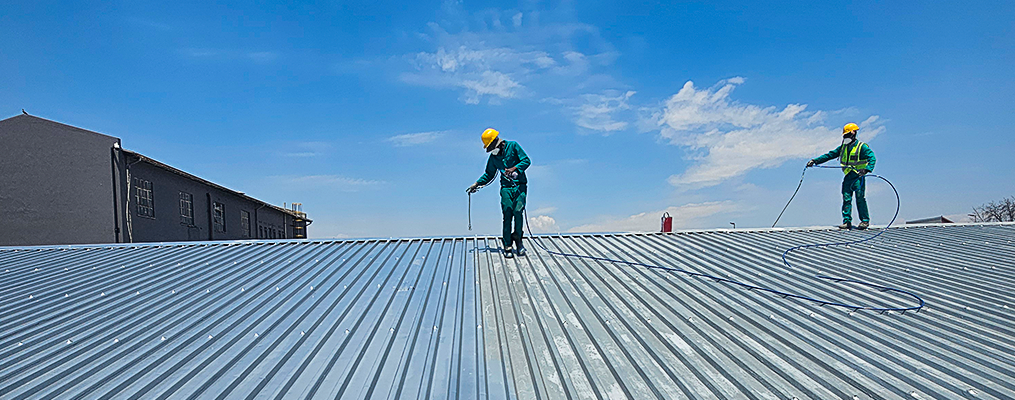
Is industrial corrosion protection always applied by spraying?
No. Protective coatings may be applied using different methods depending on the product, project specification, steel configuration and accessibility. The objective is to achieve the required protective performance, rather than use one particular application method.
Why is surface preparation important for corrosion protection?
Surface preparation removes contaminants, rust and other materials that can interfere with coating adhesion. Correct preparation helps protective coatings bond to the steel surface and perform according to the intended specification.
Why choose DRAM for structural steel corrosion protection in South Africa?
DRAM provides specialist industrial coating and corrosion protection services, including on-site structural steel coating and post-fabrication priming. Its technical expertise and tailored approach help clients select suitable protective systems and reduce long-term corrosion-related maintenance risks.