 by developer
Signs Your Commercial Roof Needs Refurbishment
When a commercial roof starts to fail, the warning signs rarely shout – they whisper. From small leaks to creeping corrosion, these early red flags can quietly undermine safety, energy efficiency and operational continuity. For South African facility managers, recognising these signals early is the key to avoiding costly repairs and unplanned downtime. This guide unpacks the most common indicators that your roof needs refurbishment and why timely action protects both your assets and your budget.
Introduction
Every facility manager knows that the roof above their head is more than just a structure – it’s the first line of defence against South Africa’s unpredictable weather. From coastal humidity to inland heat and heavy summer storms, roofing systems take a constant beating. Over time, even the most robust materials begin to fail, and neglecting the early warning signs can turn a simple repair into a costly replacement.
Recognising when your facility needs commercial roof refurbishment is essential to maintaining safety, compliance and long-term operational efficiency.
1. Leaks, Damp or Water Stains
If you’re spotting watermarks on ceilings or walls, it’s rarely a coincidence. Leaks are one of the clearest indicators that your roof’s protective layer has failed. In commercial and industrial buildings, these leaks often originate from worn flashings, corroded sheeting or aged sealants.
Even minor leaks can damage insulation, electrical systems and stored goods – and in South Africa’s rainy summer months, that damage can escalate quickly. Prompt industrial roof maintenance can prevent the issue from spreading across your structure.
2. Visible Rust or Corrosion
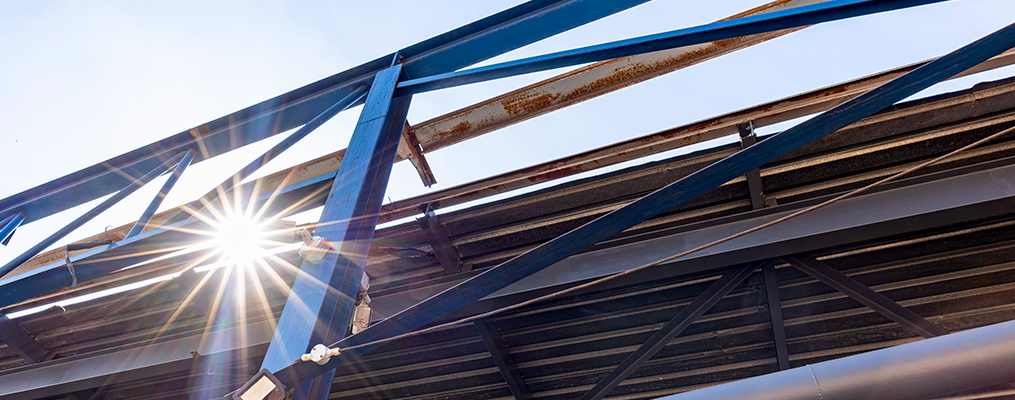
Corrosion is the silent enemy of steel roofing systems. It starts small – a few reddish patches, a dull discolouration – but if left untreated, it weakens structural integrity over time. Corrosion thrives in industrial zones and coastal areas, where humidity and pollution accelerate metal decay.
Commercial roof refurbishment that includes surface preparation and coating can halt corrosion before it spreads, restoring both the look and strength of your facility.
3. Bubbling or Peeling Coatings
When a coating system begins to bubble, crack or peel, it’s a clear signal that moisture has made its way beneath the surface. This doesn’t just affect appearance; it compromises protection. The coating acts as a barrier against UV radiation, rain and chemical exposure – once that barrier breaks down, the roof deteriorates rapidly.
A professional roof repair and maintenance service can assess whether the coating can be rejuvenated or whether a full refurbishment is more cost-effective.
4. Rising Energy Costs
If your facility’s temperature regulation has become unpredictable, your roof might be the culprit. Damaged insulation or reflective coatings can increase heat absorption, forcing HVAC systems to work harder. Over time, this can push up energy bills and shorten equipment lifespan.
Refurbishing the roof with modern reflective coatings or insulation layers can help stabilise internal temperatures and improve energy efficiency – particularly valuable in South Africa’s hot climate.
5. Safety Concerns or Compliance Issues
Health and safety inspections often highlight roof hazards such as loose panels, water pooling, or compromised walkways. In high-traffic facilities, these issues present a serious liability risk. Failing to act could also mean non-compliance with building and occupational safety standards.
Regular inspections and planned industrial roof maintenance help ensure that your facility remains compliant and safe for workers and visitors.
6. Ageing Roof Systems
Most commercial roofing systems are designed to last between 15 and 25 years, depending on materials and maintenance. If your roof is nearing the end of that lifespan, it’s time to evaluate its condition before minor issues evolve into structural failures.
A full roof refurbishment can extend the life of the existing structure without the cost or disruption of a complete replacement – a key advantage for facilities that can’t afford downtime.
Why Roof Refurbishment is a Smart Investment
Ignoring these signs might save money in the short term, but it can result in far higher costs later. A well-timed refurbishment preserves the structure, prevents production interruptions, and boosts property value.
It’s not just about fixing leaks – it’s about protecting your business continuity.
Why Choose DRAM for Commercial Roof Refurbishment
DRAM combines decades of experience in coatings, steel protection and roofing refurbishments with a hands-on approach that prioritises quality, safety and longevity. Each project is backed by customised warranties and after-sales maintenance plans – ensuring your roof performs for years to come.
Whether you need a proactive inspection or a full refurbishment plan, DRAM delivers tailored roof repair and maintenance services built around your facility’s needs.
Conclusion
Your roof quietly shoulders the weight of your operation – until it starts to fail. Recognising the early signs of wear allows you to act before the damage spreads. Through expert commercial roof refurbishment and structured maintenance, you can extend the lifespan of your facility and avoid unnecessary costs.
Protect your investment. Book a professional roof inspection with DRAM and keep your facility safe, compliant and ready for the future.
Frequently Asked Questions About Commercial Roof Refurbishment
What is commercial roof refurbishment?
Commercial roof refurbishment is the process of repairing, restoring and protecting an existing roofing system to extend its usable lifespan. It may include leak repairs, rust treatment, replacement of damaged roof sheeting, waterproofing, recoating, insulation improvements and maintenance of flashings, gutters and fasteners.
How do I know whether my commercial roof needs refurbishment?
Common signs include recurring leaks, water stains, visible corrosion, peeling coatings, loose roof sheeting, blocked drainage systems, rising energy costs and areas where water pools after rainfall. An ageing roof or repeated maintenance problems may also indicate that a more comprehensive refurbishment is required.
Is roof refurbishment more affordable than replacing the entire roof?
In many cases, yes. Refurbishment allows businesses to repair and protect the existing roof structure without the cost and operational disruption associated with a complete roof replacement. The most suitable option will depend on the roof’s age, structural condition and extent of deterioration.
How often should an industrial roof be inspected?
Commercial and industrial roofs should generally be inspected at least once a year. Additional inspections may be required after severe storms, hail, strong winds, construction work or the installation of equipment such as solar panels. Regular inspections help identify small defects before they develop into costly problems.
Can a commercial roof be refurbished while the facility remains operational?
Yes. A professional roofing contractor can usually structure the refurbishment process around the facility’s operating requirements. Work may be completed in phases to reduce disruption, maintain safe access and protect employees, equipment, stock and production areas.
How long can commercial roof refurbishment extend the life of a roof?
The additional lifespan will depend on the condition of the roof, the refurbishment system used and the quality of ongoing maintenance. A professionally refurbished and properly maintained roofing system may remain serviceable for many additional years.
What causes corrosion on industrial roofing?
Corrosion can be caused by moisture, coastal humidity, industrial pollution, chemical exposure, damaged protective coatings and trapped debris. Scratches, loose fasteners and areas of standing water can also expose the metal surface and accelerate deterioration.
Can roof refurbishment improve energy efficiency?
Yes. Reflective roof coatings, repaired insulation and properly sealed roofing systems can reduce heat absorption and help stabilise indoor temperatures. This may reduce pressure on air-conditioning and ventilation systems, particularly during South Africa’s warmer months.
What is included in industrial roof maintenance?
Industrial roof maintenance may include inspections, leak detection, gutter cleaning, waterproofing repairs, rust treatment, coating maintenance, fastener replacement, flashing repairs and the replacement of damaged roof sheeting. The maintenance programme should be based on the roof’s condition and the facility’s operational environment.
Why should I use a professional roof repair and maintenance service?
Commercial and industrial roofs require specialised knowledge, safety procedures and suitable coating or waterproofing systems. A professional contractor can identify the underlying cause of the damage, recommend an appropriate solution and complete the work in line with safety and quality requirements.
Does DRAM provide commercial roof refurbishment services across South Africa?
Yes. DRAM provides commercial and industrial roof refurbishment, repair and maintenance services for facilities across South Africa. Each solution is tailored to the roof’s condition, operating environment and long-term maintenance requirements.
How can I arrange a commercial roof inspection with DRAM?
You can contact DRAM to schedule a professional roof inspection. The team will assess the roof’s condition, identify visible defects and recommend a suitable repair, maintenance or refurbishment plan.