 by danyaal
How DRAM Ensures Safety During Industrial Roof Replacement
Industrial roof replacement projects involve far more than removing old sheeting and installing new materials. Work at height, active operational environments and complex structural considerations create significant safety risks that must be carefully managed. For facility managers and operations teams, choosing a contractor with a proven commitment to safety is critical. This article explores how DRAM approaches industrial roof replacement, the safety measures implemented on every project, and why a proactive safety culture protects both people and assets.
Introduction
An industrial roof replacement is one of the most significant maintenance projects a facility can undertake. While the end goal may be a stronger, more reliable roofing system, the process itself introduces a range of challenges that require careful planning and execution.
Unlike new construction projects, roof replacement often takes place while facilities remain operational. Employees, equipment and production activities may continue below active work zones, creating additional responsibilities for contractors and facility managers alike.
Whether replacing the roof of a factory, warehouse, manufacturing plant or distribution centre, selecting an experienced industrial roofing contractor is essential to minimise downtime, protect employees and safeguard valuable assets.
For DRAM, safety is not treated as a compliance exercise or a box to tick before work begins. It forms part of every stage of the project, from initial assessment and planning through to final handover.
Keypoint Summary
- DRAM prioritises safety at every stage of industrial roof replacement, starting with detailed site assessments and customised project plans before any work begins.
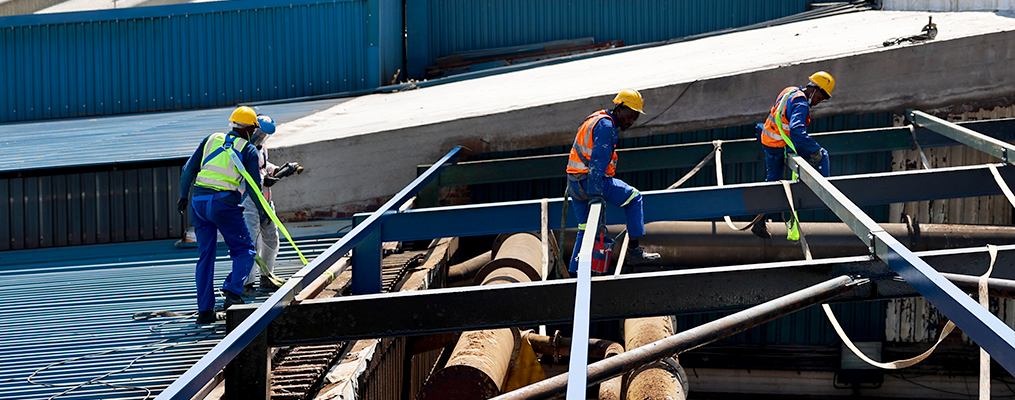
- Fall protection systems—including certified fall arrest equipment, lifelines, edge protection and controlled access zones—are implemented on every project to manage working-at-height risks.
- Projects are managed to keep facilities operational, with DRAM coordinating exclusion zones and schedules alongside facility teams to minimise disruption to production.
- A dedicated, full-time Health and Safety team prepares site-specific safety files covering risk assessments, safe work procedures and compliance documentation for each project.
- DRAM’s approach extends beyond replacement to include corrosion protection, waterproofing and preventative maintenance, plus after-sales support for long-term roof performance.
Why Safety Matters During Industrial Roof Replacement
Industrial roof replacement projects often involve ageing roof sheeting, corrosion, waterproofing failures and structural deterioration. Addressing these issues safely requires more than replacing roofing materials, it requires careful planning, experienced supervision and a contractor who understands live industrial environments.
Working on industrial roofs presents unique risks that extend beyond the roofing system itself.
Teams may be operating at significant heights while navigating ageing roof structures, weather conditions and active industrial environments. There is also the potential for falling objects, structural weaknesses and exposure to hazardous materials depending on the age and condition of the building.
Without proper controls, these risks can impact not only contractors but also facility personnel and ongoing operations.
A successful industrial roof replacement therefore depends on more than technical expertise. It requires a structured safety framework that anticipates risks before work begins and manages them throughout the project lifecycle.
Planning Before Work Starts
Safety on site begins long before the first sheet is removed.
Every DRAM project starts with a detailed assessment of the facility, roofing condition and operational environment. This allows potential hazards to be identified early and incorporated into project planning.
Factors considered include:
- Roof condition and structural integrity
- Access requirements
- Operational activities below the work area
- Environmental conditions
- Emergency response procedures
- Project sequencing and work zones
This planning stage helps ensure that safety controls are practical, effective and tailored to the specific facility.
No two industrial sites are identical, which is why DRAM develops customised project plans rather than relying on generic safety procedures.
Managing Risks in Live Operational Environments
One of the greatest challenges during industrial roof replacement is maintaining safety while minimising disruption.
Many facilities cannot simply shut down operations for weeks while roofing work takes place. Production schedules, logistics activities and operational deadlines must still be met.
DRAM works closely with facility management teams to coordinate activities around operational requirements. Work areas are carefully controlled, exclusion zones are established where necessary and project schedules are structured to minimise impact on daily operations.
This collaborative approach helps maintain productivity while ensuring safety remains uncompromised.
Working at Height Safely
Falls remain one of the most significant risks associated with roofing projects.
Modern industrial roofing projects require far more than compliance. They require integrated safety systems that protect workers while maintaining productivity and project efficiency.
For this reason, strict fall protection systems are implemented throughout every roof replacement project. These systems are designed to protect personnel while maintaining efficient access to work areas.
Safety measures may include:
- Certified fall arrest systems
- Lifeline installations
- Edge protection systems
- Controlled access zones
- Continuous supervision and monitoring
Every team member is trained to work within these systems, ensuring that safety remains consistent throughout the duration of the project.
The Importance of Skilled Personnel
Procedures and equipment are important, but safety ultimately depends on people.
DRAM invests heavily in ensuring that project teams understand not only how to perform roofing work, but how to identify and manage risks throughout the process.
Experienced supervisors oversee project execution, ensuring that safety requirements remain active rather than becoming paperwork exercises.
Behind every DRAM project is a dedicated, full-time Health and Safety team that works alongside operational personnel to ensure safety remains a priority from planning through to project completion. For every project, DRAM prepares a comprehensive, site-specific safety file that documents risk assessments, safe work procedures, emergency response plans, legal compliance and all required health and safety records. These safety files are developed for each individual site, ensuring that the unique risks and operational requirements of every facility are properly addressed. This structured approach helps maintain compliance while giving clients confidence that every project is managed with safety at its core.
This hands-on approach reflects one of DRAM’s core strengths: combining technical expertise with active project involvement and after-sales support. As a company built on long-standing relationships and practical industry experience, DRAM understands that reputation is earned through consistent performance, not promises alone.
Safety Beyond the Roof Structure
Industrial roof replacement often creates opportunities to identify broader facility risks.
During refurbishment projects, DRAM frequently assesses issues such as corrosion, waterproofing failures and fire protection requirements that may affect the long-term safety of the building.
Where required, recommendations may include corrosion protection systems, maintenance interventions or consultation around fire protection measures.
This broader perspective allows facility owners to address potential risks before they develop into larger operational or safety concerns.
Compliance and Accountability
Industrial facilities operate within strict safety and regulatory frameworks. Contractors must be able to demonstrate compliance while maintaining clear accountability throughout the project.
DRAM follows established industry standards and site-specific requirements to ensure projects are executed safely and responsibly. Documentation, inspections and quality control processes form part of the overall project delivery framework.
For facility managers and procurement teams, this provides confidence that safety remains a priority from project commencement through to completion.
Prevention is Safer – and More Cost-Effective
One of the most overlooked aspects of roofing safety is timing.
Many industrial roof replacements occur only after significant deterioration has already developed. By this stage, structural concerns, water ingress and corrosion may have created additional risks that complicate the project.
Proactive industrial roof maintenance helps reduce these challenges by identifying issues early. Addressing roofing concerns before they become severe often results in safer projects, reduced disruption and lower overall costs.
As with many aspects of facility management, prevention is far less costly than reacting to major failures after they occur.
This philosophy underpins DRAM’s approach to long-term asset protection. Through regular inspections, maintenance planning and refurbishment strategies, facilities can often extend roof lifespan while reducing risk.
Why Choose DRAM for Industrial Roof Replacement
DRAM combines industrial roofing expertise with a strong commitment to safety, quality and long-term performance.
With extensive experience in industrial roof refurbishment, corrosion protection, coatings and maintenance, DRAM approaches each project with a clear understanding of both technical requirements and operational realities.
Clients benefit from:
- Hands-on project management
- Tailored roofing solutions
- Strong safety culture
- Extensive industrial experience
- Roof inspections and preventative maintenance
- Industrial roof refurbishment expertise
- Corrosion protection solutions
- Waterproofing systems
- Long-term maintenance support
- Customised warranties and after-sales service
This commitment has helped position DRAM as a trusted partner for facilities seeking durable roofing solutions delivered with safety at the forefront.
Conclusion
Industrial roof replacement is about more than installing new sheeting. It is a complex process that requires careful planning, experienced personnel and a proactive approach to risk management.
By prioritising safety at every stage of the project, DRAM helps protect workers, facilities and operations while delivering durable roofing solutions built for long-term performance.
For businesses planning an industrial roof replacement or evaluating industrial roof maintenance requirements, partnering with a contractor that places safety first can make all the difference.
Contact DRAM today to discuss your industrial roof replacement project and learn how our safety-focused approach can protect both your people and your assets.
Frequently Asked Questions
How does DRAM ensure safety during industrial roof replacement?
DRAM conducts detailed site assessments, develops project-specific safety plans, implements fall protection systems and maintains active supervision throughout the project to manage risks effectively.
Can industrial roof replacement be completed while a facility remains operational?
In many cases, yes. DRAM works closely with facility management teams to minimise disruption through careful scheduling, controlled work zones and ongoing communication.
Why is industrial roof maintenance important for safety?
Regular industrial roof maintenance helps identify deterioration before it becomes a safety risk. Early intervention can prevent structural issues, water ingress and costly emergency repairs.
What are the biggest risks during industrial roof replacement?
Common risks include falls from height, structural weaknesses, falling objects, weather exposure and operational interactions within live industrial environments.
How often should industrial roofs be inspected?
Most industrial facilities should conduct professional roof inspections at least annually, with more frequent inspections recommended for older roofs or facilities operating in harsh environmental conditions.
Does DRAM provide maintenance support after roof replacement?
Yes. DRAM’s hands-on approach extends beyond project completion through after-sales support, maintenance planning and long-term asset protection strategies designed to maximise roof lifespan.