 by Ethan Mungate
What Is Passive Fire Protection and How Does It Safeguard Industrial Structures?
Fire protection is often associated with sprinklers, alarms and extinguishers, but these are only one part of a complete fire safety strategy. Passive fire protection is built into a structure to slow the spread of fire, protect structural elements and provide valuable time for evacuation and emergency response. For industrial facilities across South Africa, it plays a vital role in safeguarding people, assets and business continuity. This article explains how passive fire protection works, why it matters and where it fits into industrial fire safety.
Introduction
Industrial buildings are designed to support demanding operations, but they are also exposed to significant fire risks. Manufacturing facilities, warehouses and processing plants often contain combustible materials, electrical systems and structural steel that can be severely affected by high temperatures.
When a fire occurs, the priority is always protecting lives. However, preventing structural collapse and limiting damage to the building are equally important for reducing downtime and helping businesses recover.
This is where passive fire protection becomes essential.
Unlike active fire protection systems that respond once a fire has started, passive fire protection forms part of the building itself. It is always in place, working to slow the spread of fire and preserve the integrity of the structure.
For facility managers, engineers and safety professionals, understanding passive fire protection is an important step towards creating safer, more resilient industrial facilities.
Keypoint Summary
- Passive fire protection is built into the structure itself, unlike active systems such as sprinklers and alarms that respond once a fire has already started.
- Its main job is protecting structural steel, since steel loses strength at high temperatures and can fail without adequate fire resistant coatings.
- Common systems include intumescent coatings, cementitious fireproofing, fire resistant boards and fire stopping around service penetrations.
- It applies across new builds, refurbishments, occupancy changes and facilities with unprotected existing steel, and the right approach depends on a professional assessment.
- Correct installation matters as much as product choice, since coating thickness and application quality determine whether the system performs at its rated level.
What Is Passive Fire Protection?
Passive fire protection, commonly referred to as PFP, is the collection of materials and systems designed to resist the effects of fire.
Rather than extinguishing flames, passive fire protection helps contain fire, reduce heat transfer and protect structural elements for a specified period.
Its purpose is to:
- Slow the spread of fire and smoke.
- Protect structural steel from excessive heat.
- Maintain the stability of the building.
- Provide more time for evacuation and emergency response.
- Support compliance with fire safety requirements.
Because passive fire protection is built into the structure, it requires no activation. It remains ready to perform whenever a fire occurs.
Passive Fire Protection Versus Active Fire Protection
A common misconception is that sprinklers alone provide complete fire protection.
In reality, effective fire safety combines both active and passive systems.
Active fire protection includes alarms, smoke detectors, sprinklers and extinguishers. These systems detect or suppress a fire once it has started.
Passive fire protection has a different role. It is designed to limit the impact of the fire itself by slowing its spread and protecting critical structural components.
The two approaches complement one another. While active systems help control the fire, passive systems help prevent the building from failing too quickly.
Together they create a far more effective fire safety strategy than either could achieve alone.
Protecting Structural Steel During a Fire
Structural steel forms the framework of many industrial buildings because it is strong, versatile and capable of supporting large spans.
Although steel is non-combustible, it begins losing strength as temperatures increase. During a serious fire, unprotected steel can weaken to the point where it can no longer safely support the structure.
Structural steel fire protection is designed to delay this process.
By insulating the steel from extreme heat, passive fire protection systems allow structural elements to maintain their load-bearing capacity for longer. This additional time can make a significant difference by allowing occupants to evacuate safely, providing firefighters with improved access and reducing the likelihood of catastrophic structural failure.
Protecting structural steel is therefore one of the most important functions of passive fire protection in industrial environments.
When Does anIndustrial Building Need Passive Fire Protection?
Passive fire protection may need to be considered in a range of industrial and commercial situations, including:
- New industrial developments and construction projects.
- Factories, warehouses and manufacturing facilities with structural steel.
- Industrial building refurbishments and upgrades.
- Projects where the use or occupancy of a building changes.
- Facilities where existing structural steel is unprotected.
- Fire protection upgrades following an assessment of an existing facility.
- Projects where a specific fire resistance rating is required.
- Facilities where fire risk, asset protection, business continuity or insurance considerations are being reviewed.
The appropriate level and type of passive fire protection depends on the building design, occupancy, structural requirements, operating environment and applicable fire safety requirements. A professional assessment should therefore be undertaken before a system is selected or applied.
Common Passive Fire Protection Systems
Passive fire protection is not a single product. It consists of several systems that work together to improve a building’s fire resistance.
One of the most widely recognised solutions is the intumescent coating. These specialist PFP coatings expand when exposed to heat, forming an insulating char layer that slows heat transfer to structural steel. They are commonly used where exposed steel requires both fire protection and an attractive finish.
Other passive fire protection systems include cementitious fireproofing, fire-resistant boards and fire stopping materials used around service penetrations. Fire-rated walls and compartmentation systems also help contain fire within specific areas of a building, limiting its spread to adjoining spaces.
The appropriate solution depends on the building design, operational environment and required fire resistance rating. In many facilities, several passive fire protection systems are used together to achieve the required level of protection.
Why Passive Fire Protection Matters in South Africa
Industrial facilities across South Africa operate in diverse environments, but they all share the need to protect people, infrastructure and operations.
Passive fire protection supports this by strengthening a building’s ability to withstand a fire while helping businesses meet fire safety and building requirements.
Beyond regulatory compliance, passive fire protection offers important commercial benefits. It helps reduce the risk of extensive structural damage, supports business continuity and can improve insurability by demonstrating a proactive approach to fire risk management.
For facilities with valuable equipment, complex production processes or large structural steel frameworks, passive fire protection is an investment in long-term resilience rather than simply another compliance requirement.
For an industrial business, protecting the structure can also mean protecting the ability to continue operating after a major incident.
Why Professional Installation Matters
The performance of any passive fire protection system depends on more than selecting the correct product.
Surface preparation, coating thickness, environmental conditions and quality control all influence how effectively the system performs during a fire.
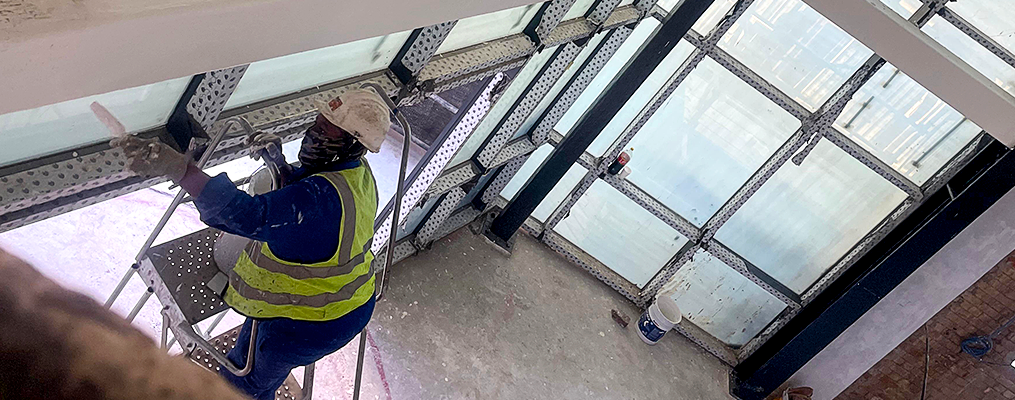
For example, an intumescent coating must be applied to the correct specification and dry film thickness to achieve its tested fire resistance rating. Even minor deviations can affect its performance.
This is why passive fire protection should be treated as a specialist technical application rather than simply another painting or coating project
Working with experienced specialists helps ensure passive fire protection systems are installed correctly and perform as intended when they are needed most.
Why Choose DRAM for Passive Fire Protection?
DRAM provides passive fire protection solutions for industrial and commercial facilities across South Africa.
With extensive experience in structural steel coatings, corrosion protection and industrial fireproofing, DRAM understands that effective passive fire protection depends on careful planning, technical expertise and quality workmanship.
Every project begins with an assessment of the structure, operating environment and compliance requirements before recommending an appropriate solution. Whether applying PFP coatings or protecting structural steel as part of a larger refurbishment project, DRAM focuses on delivering durable systems that support long-term building performance.
By combining technical knowledge with a practical, hands-on approach, DRAM helps clients improve fire safety while protecting valuable industrial assets.
Conclusion
Passive fire protection plays a critical role in safeguarding industrial buildings.
By slowing the spread of fire and protecting structural steel from extreme temperatures, passive fire protection systems provide valuable time for evacuation, emergency response and fire suppression while reducing the risk of structural collapse.
For industrial facilities, passive fire protection is more than a compliance requirement. It is an investment in safety, operational resilience and long-term asset protection.
If you’re planning a new development or upgrading an existing facility, contact DRAM to discuss passive fire protection solutions tailored to your industrial environment.
Frequently Asked Questions
What is passive fire protection?
Passive fire protection consists of materials and systems built into a structure to slow the spread of fire, protect structural elements and improve overall fire resistance.
What is the difference between passive and active fire protection?
Active fire protection detects or suppresses fires using systems such as alarms and sprinklers. Passive fire protection protects the building itself by containing fire and preserving structural integrity.
What are PFP coatings?
PFP coatings, including intumescent coatings, expand when exposed to heat to form an insulating barrier that protects structural steel during a fire.
Why is structural steel fire protection important?
Structural steel loses strength at high temperatures. Fire protection systems help delay this process, allowing buildings to remain stable for longer during a fire.
Do industrial buildings in South Africa require passive fire protection?
The level of passive fire protection required depends on the building design, occupancy and applicable fire safety requirements. Professional assessment is essential to determine the appropriate solution.
Why should passive fire protection be installed by specialists?
Correct specification, surface preparation and application are critical to achieving the required fire resistance rating. Experienced contractors help ensure the system performs as intended.
What is the difference between fireproofing and passive fire protection?
Passive fire protection is the broader category of systems designed to protect a building and its occupants during a fire. Fireproofing is one component of passive fire protection and can include the application of protective systems to structural steel to delay the effects of high temperatures.